The Unseen Crisis: Water Scarcity's Silent Impact on Health and Sanitation
Water, the essence of life, is slipping through our fingers as the world grapples with a growing water scarcity crisis. While the scarcity itself is a significant concern, its impact on health and sanitation is a silent but devastating aspect that often goes unnoticed
Health Implications
Water scarcity jeopardizes human health in numerous ways. Limited access to clean water leads to the consumption of contaminated water, causing waterborne diseases like cholera, dysentery, and typhoid. These diseases, rampant in areas struggling with water scarcity, claim countless lives, especially among children and the elderly. Additionally, inadequate water supply hampers basic hygiene practices, escalating the risk of infections and illnesses. Insufficient water affects nutrition too; agriculture suffers, leading to food scarcity and malnutrition, especially in vulnerable communities.
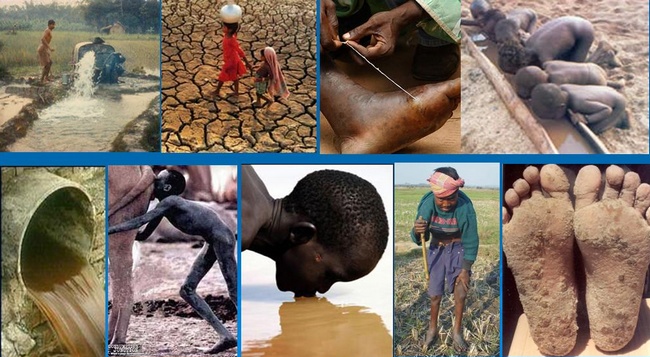
Sanitation Challenges
Water scarcity exacerbates sanitation challenges. Proper sanitation, which depends heavily on adequate water supply, becomes a luxury. Lack of water hampers the maintenance of hygiene in toilets and sewage systems, leading to the spread of diseases. Open defecation, practiced due to the absence of functional toilets, further contaminates the limited water sources, creating a vicious cycle of disease and water pollution.
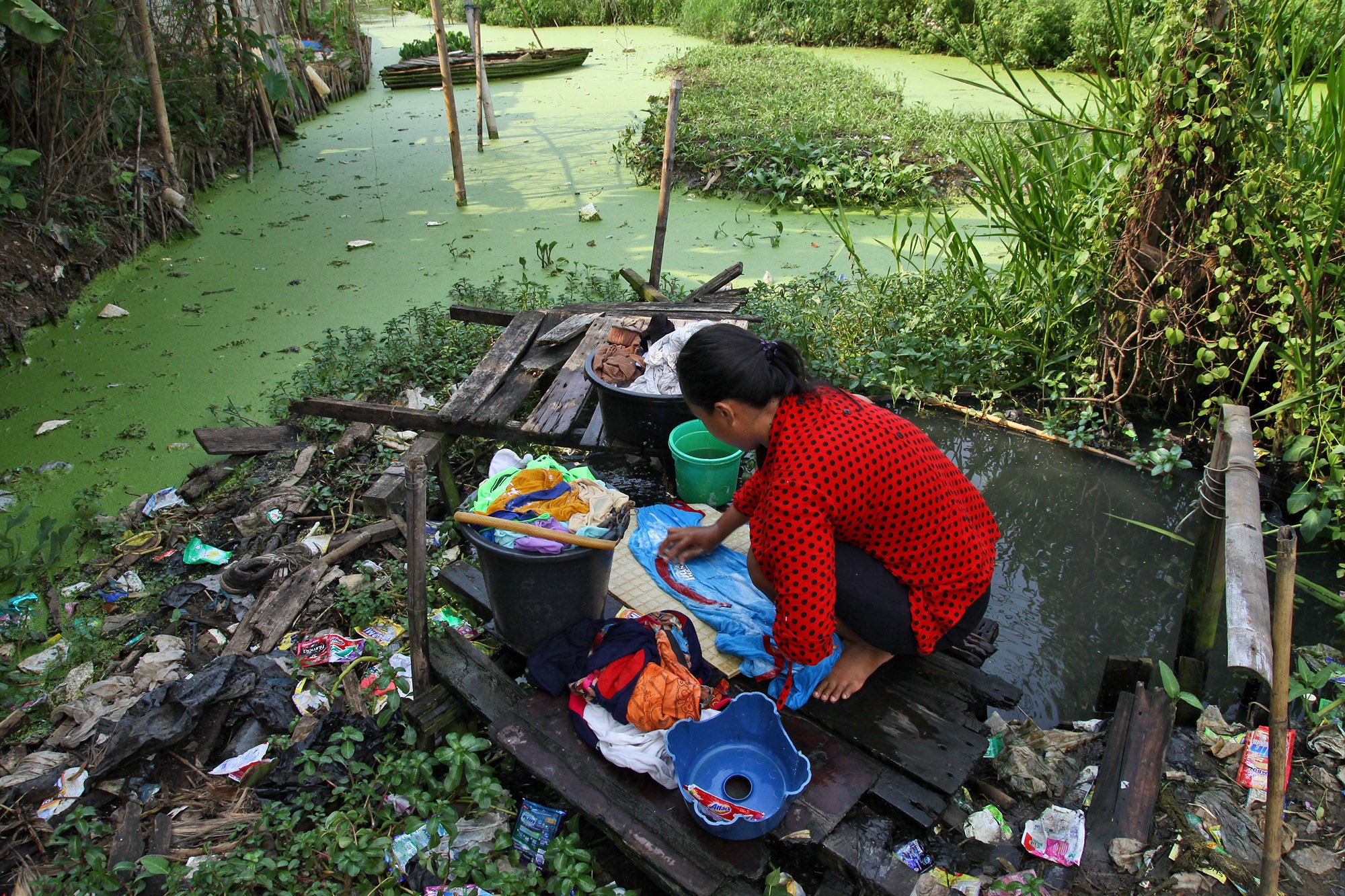
Vulnerable Communities
The impact of water scarcity on health and sanitation disproportionately affects vulnerable communities. Impoverished regions and marginalized populations face the brunt of this crisis, lacking resources to secure clean water sources or establish proper sanitation facilities. Women and children, often responsible for fetching water, bear the physical and economic burden, compromising their education and well-being.
Addressing water scarcity demands collective efforts. Sustainable water management, investment in water infrastructure, and community education are pivotal. NGOs and governments must collaborate to ensure access to clean water and sanitation facilities, particularly in marginalized areas. By recognizing the silent but profound impact of water scarcity on health and sanitation, we can pave the way for a healthier, more equitable future for all.
Comments
Post a Comment